Teaching UX Principles for Meta VR Game Developers
In this project, I designed an instructional UX framework to help Meta VR game developers create intuitive, accessible, and engaging interactions within immersive environments. The goal was to bridge the gap between traditional 2D UI thinking and spatial, gesture-based VR experiences.
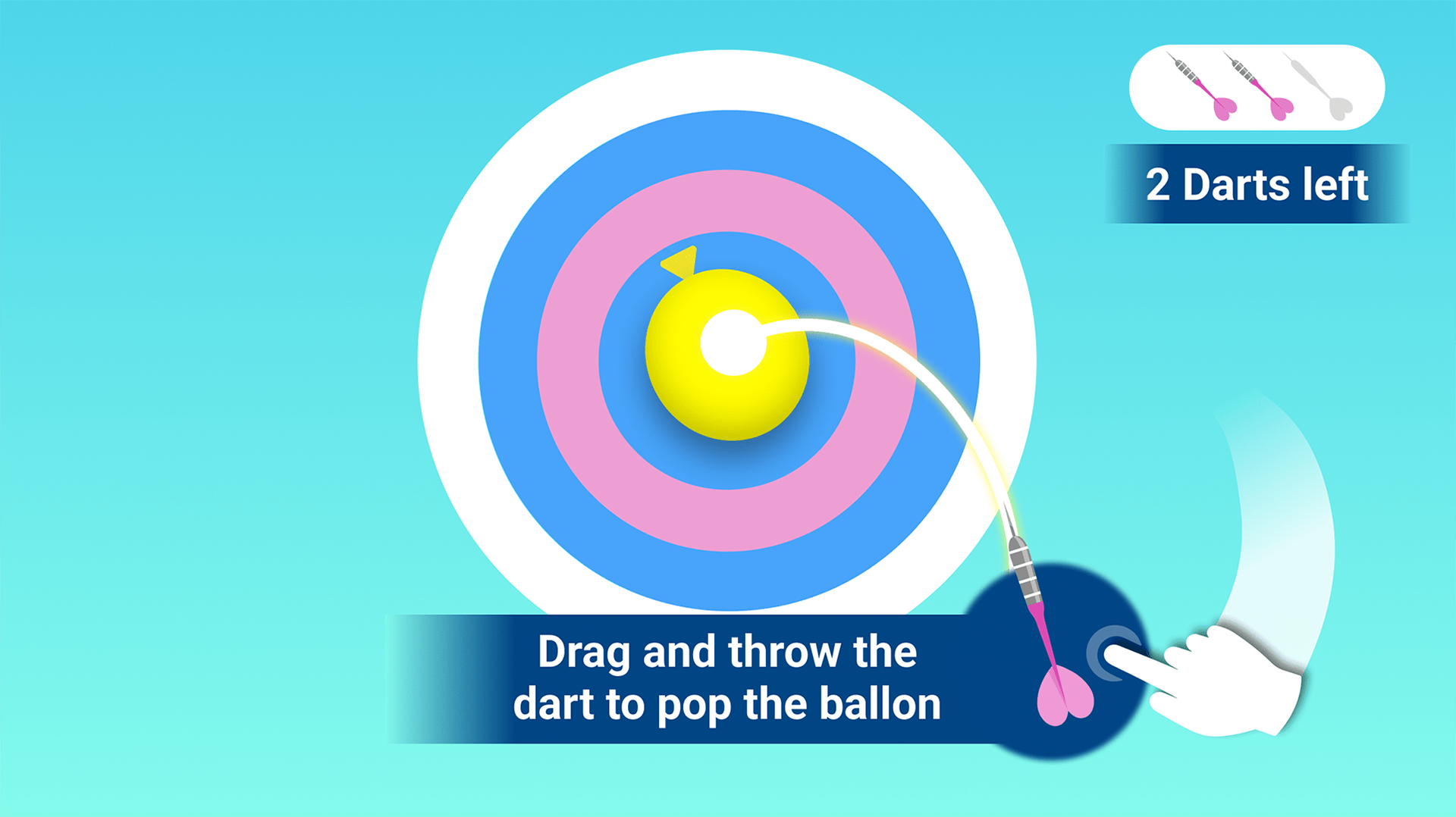
The showcased dart-throw interaction serves as a teaching example of clear affordances, guided motion, and feedback loops in VR. By combining visual cues (trajectory arc, highlighted target zones), simplified input gestures (drag-and-throw), and real-time feedback (remaining darts, impact indication), the design demonstrates how to reduce cognitive load while maintaining engagement.
Key UX principles emphasized in this work include:
• Spatial Clarity: Using depth, scale, and color contrast to guide user focus naturally in a 3D space
• Action Predictability: Visualizing motion paths to help users understand outcomes before committing actions
• Minimal Instruction Dependency: Replacing heavy text instructions with intuitive visual guidance and interaction patterns
• Feedback & Reinforcement: Immediate visual confirmation (hits, remaining attempts) to build user confidence
• Accessibility for New VR Users: Designing interactions that feel familiar (drag-and-release) while adapting to immersive input systems
This work was used as part of a broader effort to educate VR developers on best practices for UX design in immersive environments, ensuring that gameplay interactions remain intuitive, learnable, and satisfying—even for first-time users.
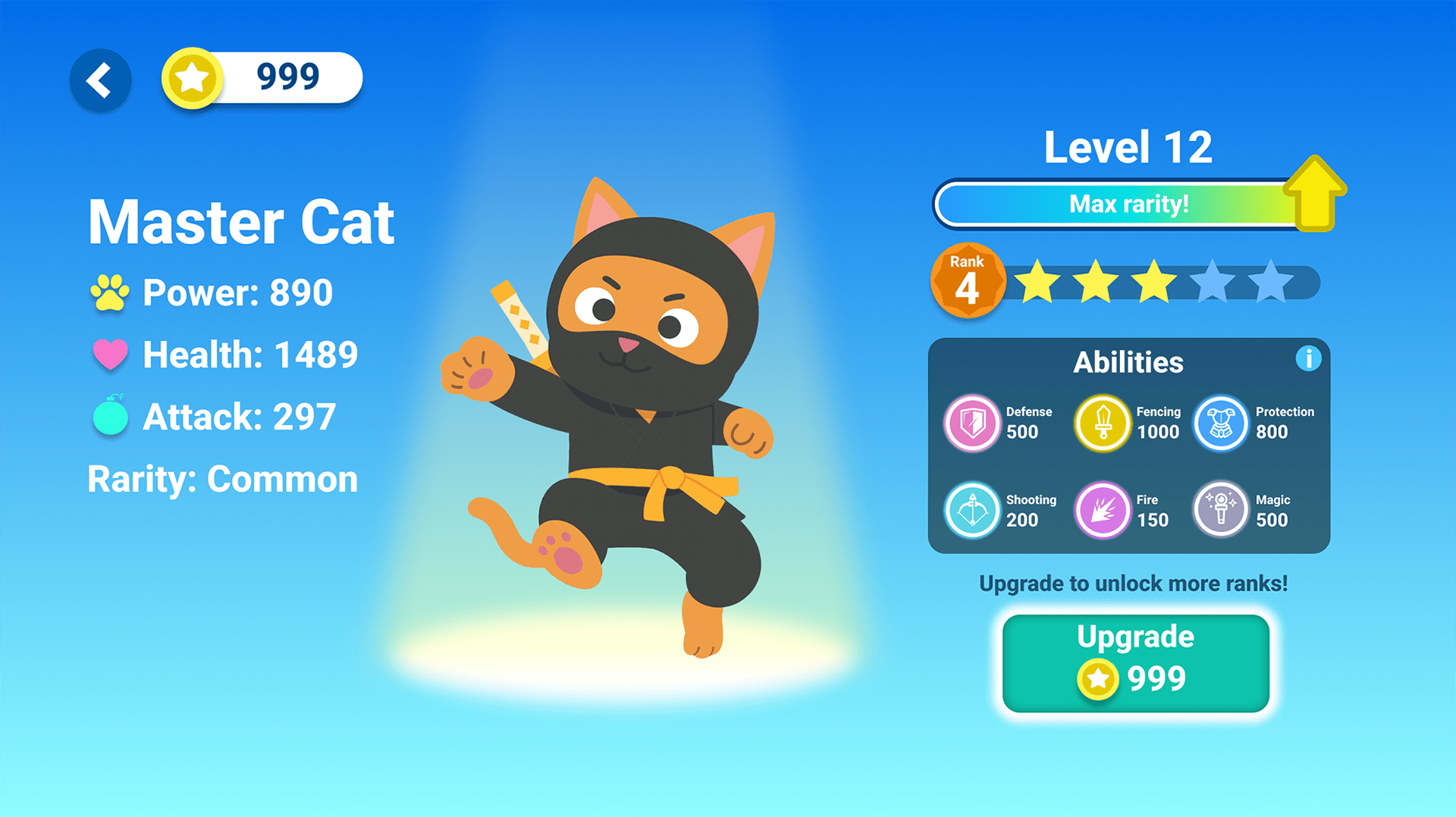
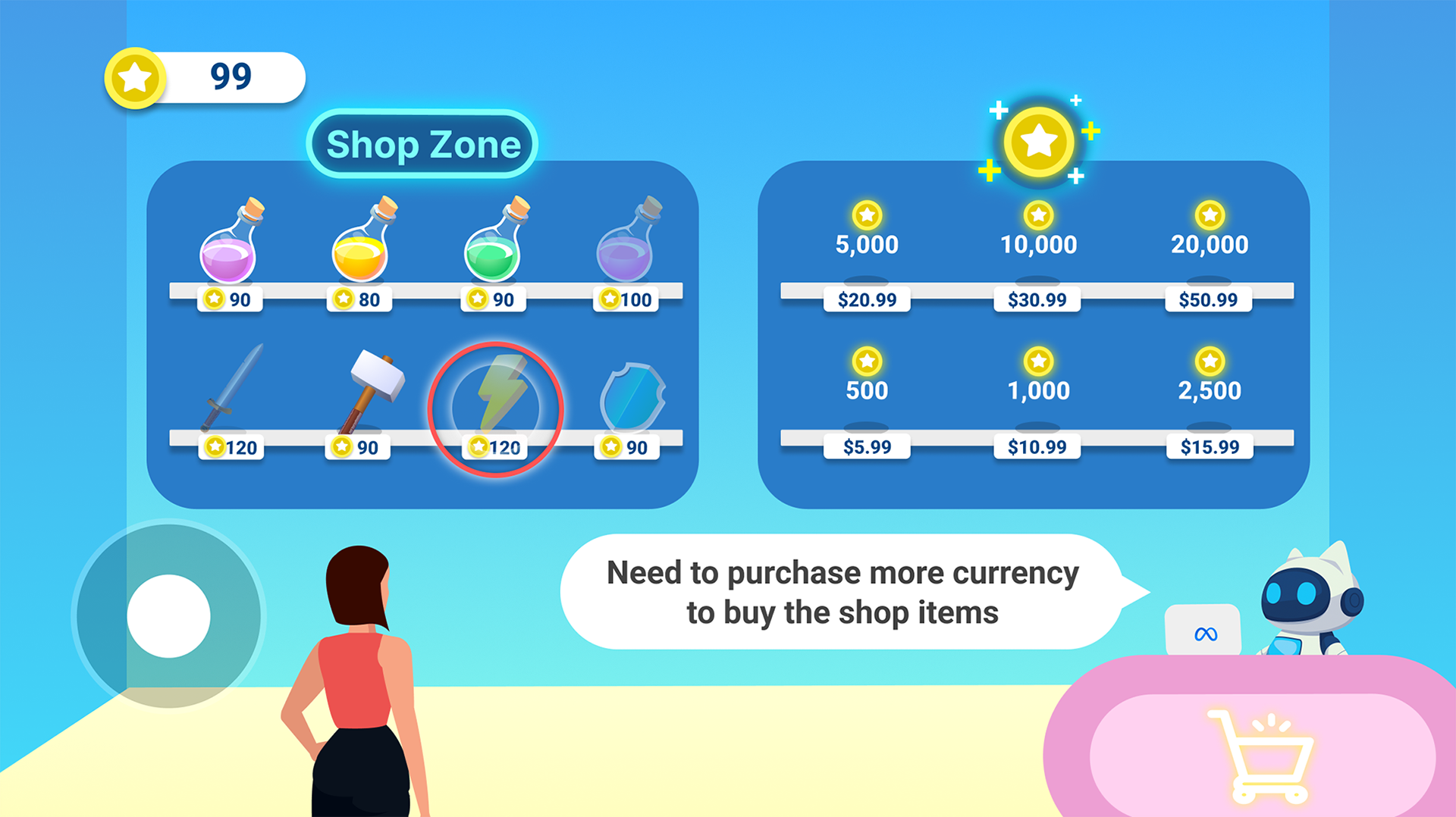
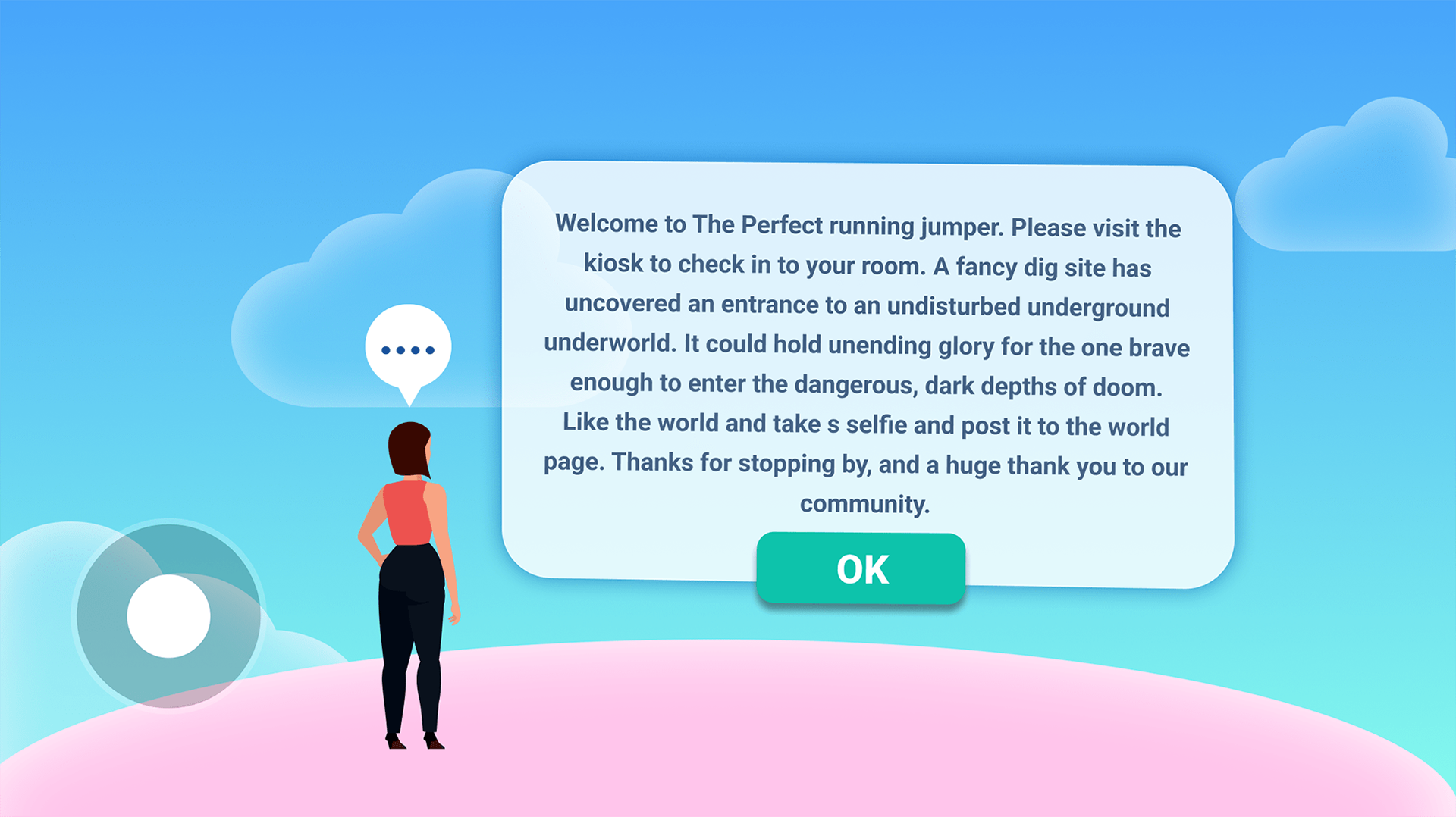
Advanced NUX Best Practices




Hypothetical Game Castle Quest